
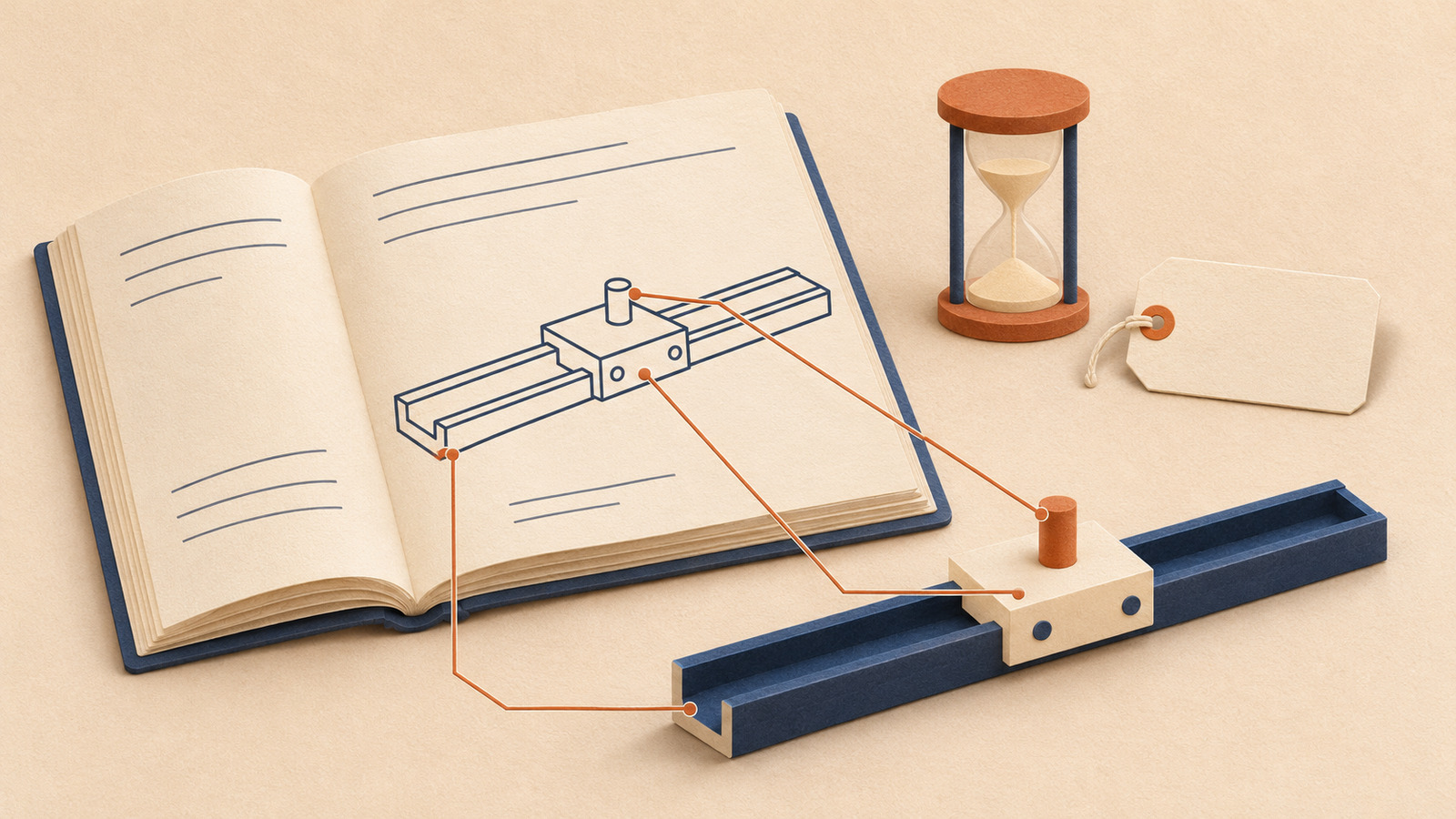
An old product, an earlier patent number or a supplier's assurance does not establish a China patent prior-art defense. In an invention or utility-model dispute, the practical questions are whether the relied-on technology was publicly available before the applicable cutoff and whether it supports the required technical comparison with the accused implementation. Prepare the date evidence and the technical evidence together.
This guide addresses invention and utility-model disputes. Design patents require a distinct prior-design analysis and are outside its scope.
What does the prior-art defense establish?
Article 67 of China's Patent Law provides a non-infringement defense where the accused party proves that the technology it implements belongs to the prior art. Article 22 defines prior art as technology known to the public in China or abroad before the filing date. This is an evidence-based defense to the accusation, not a finding that the patent itself has been invalidated. See the Patent Law, Articles 22 and 67.
If the objective is to challenge the patent's validity, that is a separate procedure. Our guide to China patent invalidation and enforcement explains why a pending challenge, a validity decision and an infringement ruling must be distinguished.
Establish the right cutoff and the actual public disclosure
Start with the asserted Chinese patent, its filing and priority records, and the claims being asserted. Do not substitute the grant date for the relevant cutoff. Article 12 of the 2023 Patent Law Implementing Regulations generally treats a Patent Law reference to the filing date as the priority date where priority exists, subject to the stated exceptions. Check which priority is available for the subject matter involved.
The applicable legal version also matters. Article 22 of the SPC's Patent Infringement Interpretation II directs courts to define prior art under the Patent Law in force at the patent's filing date. Older patents therefore require a historical-law check; do not apply today's worldwide-public-knowledge definition to every older patent without review.
For each candidate reference, separate when it was created, filed, published, made publicly accessible and collected for the dispute. An earlier filing date does not itself prove earlier public disclosure. Earlier-filed applications published later can raise distinct legal questions. A confidential drawing's age alone likewise does not prove that the public could obtain its technical content.
Compare the accused implementation with an identified prior technical solution
Article 14 of the SPC's Patent Infringement Interpretation focuses on all the accused technical features alleged to fall within the patent's protection and the corresponding features of one prior technical solution. The test is whether they are the same or have no substantive differences. The text uses the older Article 62 numbering for the defense now found in Article 67.
The task is more precise than finding a familiar product shape. Use the asserted claim to identify the relevant accused features, then explain where each corresponding feature appears in the prior solution. Distinguish what a reference actually discloses from an inference or an unresolved gap.
Give the reviewer an identified individual technical solution, not an unexplained collage of excerpts. If the argument depends on combining alternatives or invoking common knowledge, flag that dependency for specialist analysis rather than presenting a finished defense. One PDF may describe several different implementations.
Build a practical evidence file
The following is an editorial preparation checklist, not a mandatory filing list or a guarantee that evidence will be accepted:
Identify the accusation. Keep the public Chinese patent record, asserted claims, notice or case papers, parties and relevant procedural dates together.
Fix the accused version. Record model, configuration, batch and relevant conduct. Preserve representative samples, photographs and test records with their collection context; explain how they connect to the product actually accused.
Preserve the reference. Retain the complete publication or other source, its origin and the records supporting public availability before the cutoff. Keep original-language materials alongside any working translation.
Prepare the feature comparison. For each relevant accused feature, cite the exact page, figure or other evidence of the corresponding prior feature. Mark differences and uncertainty openly.
Track provenance and gaps. Record who collected each item, when and from where. Preserve originals and document later analysis separately. Ask counsel which translation, authenticity and procedural requirements apply to the intended proceeding.
For rights holders, the same discipline helps test a defendant's evidence: which historical version was public, what did it disclose, and does the comparison address the accused implementation?
A dated manual is a starting point, not the whole answer
Consider a hypothetical sliding-rail dispute, not a client case. The asserted comparison concerns a guide, a stop and a retaining pin. An old public manual clearly shows the guide and stop, but the pin arrangement is unclear. The early date does not resolve that technical gap. A later photograph of another model does not automatically show what the historical manual disclosed or what the accused batch contained.
A useful review records both the supported features and the missing connection. It may identify a better reference, a need for further evidence or a different response strategy. It should not silently fill the gap to manufacture a favorable conclusion.
Keep other defenses and the next step separate
Having your own patent is not, by itself, an answer to an earlier patent infringement claim; Article 23 of Interpretation II expressly rejects that reasoning where the accused implementation falls within the earlier patent's protection. Purchase records answer another question. Our patent lawful-source defense guide explains that separate issue; an invoice alone does not prove prior public technical disclosure.
For an initial discussion of China IP enforcement and disputes, provide the public patent number, party names, public product links, your role, the China issue, budget and timing. Complete conflict checks and agree on confidentiality and a secure channel before sending unpublished technical information or private case files. A preliminary discussion is not a formal infringement, validity or litigation opinion.
Official sources checked November 11, 2026. This article provides general preparation information; the applicable law, technical comparison and evidence require review for the particular dispute.